
In a landmark ruling amid the ongoing Russia-Ukraine conflict, a Ukrainian court has handed down a life sentence to a Russian soldier for the execution of a prisoner of war, marking the first such verdict in Ukraine's history.
What Happened
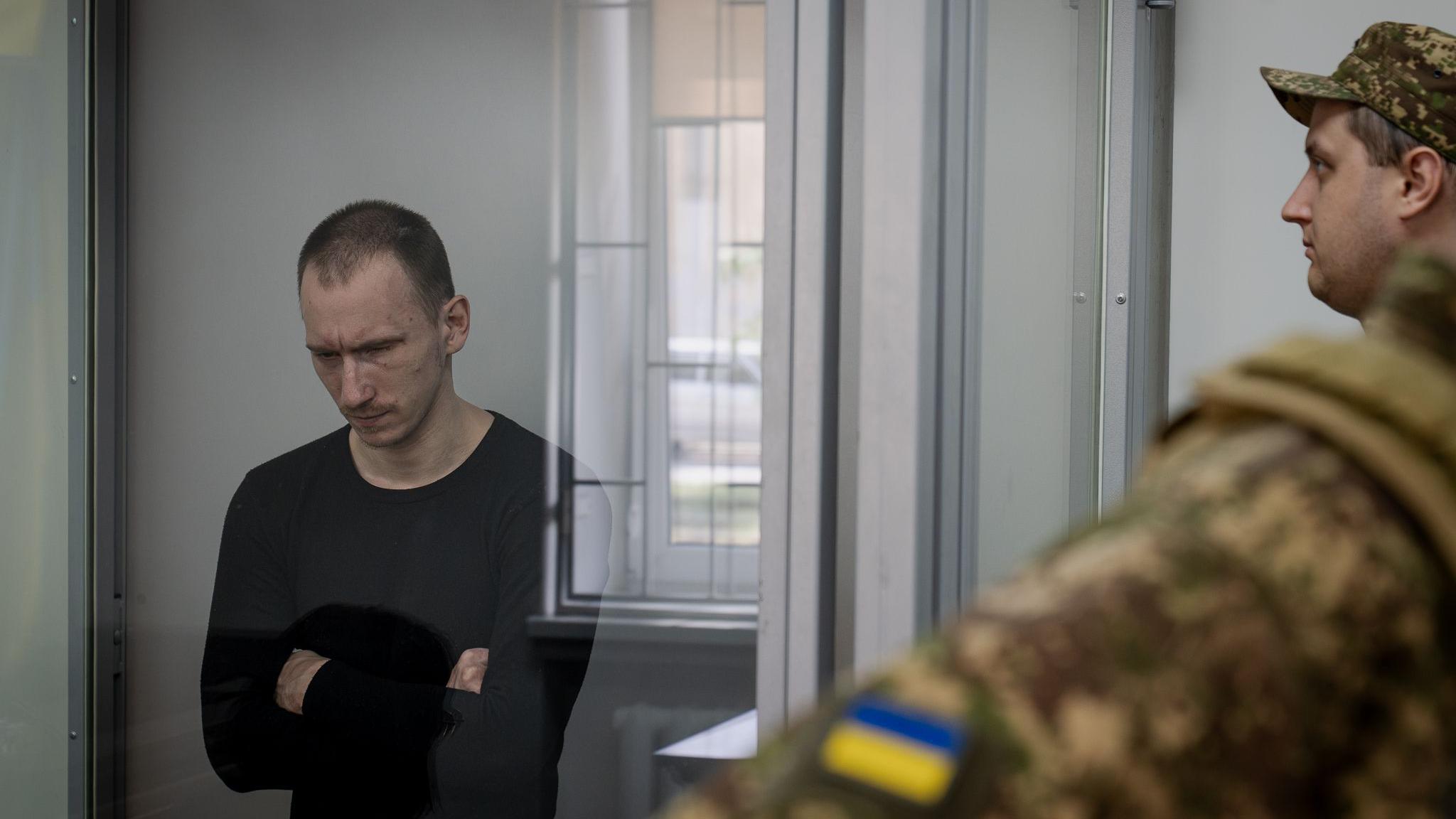
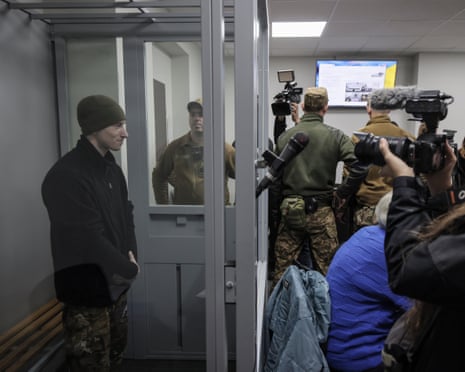
On November 6, 2025, Dmitry Kurashov, a 27-year-old Russian rifleman from the Storm-V assault unit of the 127th Motorized Rifle Division, was sentenced to life imprisonment by a court in Zaporizhzhia, Ukraine. According to the BBC, the trial stemmed from an incident on January 6, 2024, near the village of Pryiutne in Zaporizhzhia Oblast, where Kurashov's unit stormed a Ukrainian position. The victim, Vitalii Hodniuk, a 41-year-old veteran Ukrainian soldier, had surrendered unarmed, crawling out of a dugout with his hands raised after being called out by Kurashov. Despite the clear surrender, Kurashov ordered Hodniuk to kneel and then shot him point-blank with a Kalashnikov rifle, killing him instantly. Evidence presented included witness testimonies from captured Russian soldiers, expert reports, and video footage confirming the deliberate act. Kurashov, who had joined the Russian military in exchange for amnesty from prior theft convictions, initially pleaded guilty but later retracted it, claiming another soldier was responsible—a claim refuted by his comrades. Ukrainian forces recaptured the position shortly after, capturing Kurashov and four others. This case was prosecuted under Part 2 of Article 438 of Ukraine’s Criminal Code for violations of the laws and customs of war, as reported by the Kyiv Independent.
Why
The life sentence was imposed due to the gravity of the war crime: the deliberate execution of a surrendering POW, which violates international humanitarian law, including the Geneva Conventions. Prosecutor Mykyta Manevskyi argued for the maximum penalty, citing Kurashov's lack of remorse and indifference throughout the trial. According to Yahoo News, the court determined the killing was intentional and followed orders from commanders not to take prisoners, highlighting Russia's recruitment of convicts for high-risk assaults. This practice, often referred to as "meat grinder" tactics, underscores the systemic issues in Russian military operations. The verdict serves as a strong statement on accountability for battlefield atrocities.
Expert Opinion
Lead prosecutor Mykyta Manevskyi described the ruling as crucial for justice, stating that such crimes "should not remain without consideration and an appropriate sentence," and emphasized that life imprisonment was "not too much for such a crime." The UN Human Rights Monitoring Mission has noted an "alarming rise" in executions of Ukrainian soldiers by Russian forces, with a 2024 report revealing that 95% of released Ukrainian POWs endured systematic torture, including beatings, electric shocks, and mock executions. According to the head of the War Department at Ukraine's Prosecutor-General's Office, these executions show "clear signs of being part of a policy" across vast frontline areas. Ukrainian intelligence has documented over 150 similar cases since the 2022 invasion, reinforcing the view that this is not isolated but indicative of broader patterns.
What to Expect
Kurashov has expressed hope for release through a prisoner exchange and does not plan to appeal the verdict. With over 2,500 Ukrainian soldiers still held in Russian captivity as of September 2025, and ongoing investigations into 322 alleged murders of surrendered Ukrainian servicemen, more trials could follow if additional Russian suspects are captured. This case may pressure international bodies like the UN to intensify scrutiny on war crimes, potentially leading to further documentation and calls for accountability. However, Russia's denial of systemic abuses suggests limited immediate impact on its military practices. Broader implications include heightened awareness of POW treatment violations, which could influence future prisoner swaps and diplomatic negotiations in the conflict.