
What Happened
A federal judge in Rhode Island, John J. McConnell Jr., ordered the U.S. government to fully fund the Supplemental Nutrition Assistance Program (SNAP) for November after the Trump administration indicated it might issue only partial payments. The judge ruled that reducing or delaying benefits would cause “irreparable harm” to millions of households nationwide (according to AP News).
The order follows legal action by states, cities, and non-profits who argued that the USDA’s initial plan would leave vulnerable families without access to essential food assistance during the ongoing federal government shutdown (according to Reuters). SNAP provides monthly food aid to approximately 42 million Americans, roughly 1 in 8 people in the United States, with a total cost of over $8 billion per month (according to AP News).

Community organizations often supplement SNAP benefits during government delays.
Why It Happened
The disruption stems from the federal government shutdown, which halted the usual funding processes for SNAP. The USDA claimed it lacked the statutory authority and sufficient contingency funds to guarantee full benefits for November (according to Reuters).
Despite billions of dollars in emergency contingency funds being available, the USDA initially decided not to use them fully, citing competing program obligations, such as child nutrition programs, and uncertainty about legal authority (according to Politico).
States argued that delaying or partially funding SNAP would place families at risk, particularly in areas with high rates of poverty and food insecurity. According to experts, even brief interruptions in SNAP funding can have devastating effects on low-income households, which often rely on these benefits for nearly half of their monthly food consumption (according to The Washington Post).
Immediate Impact
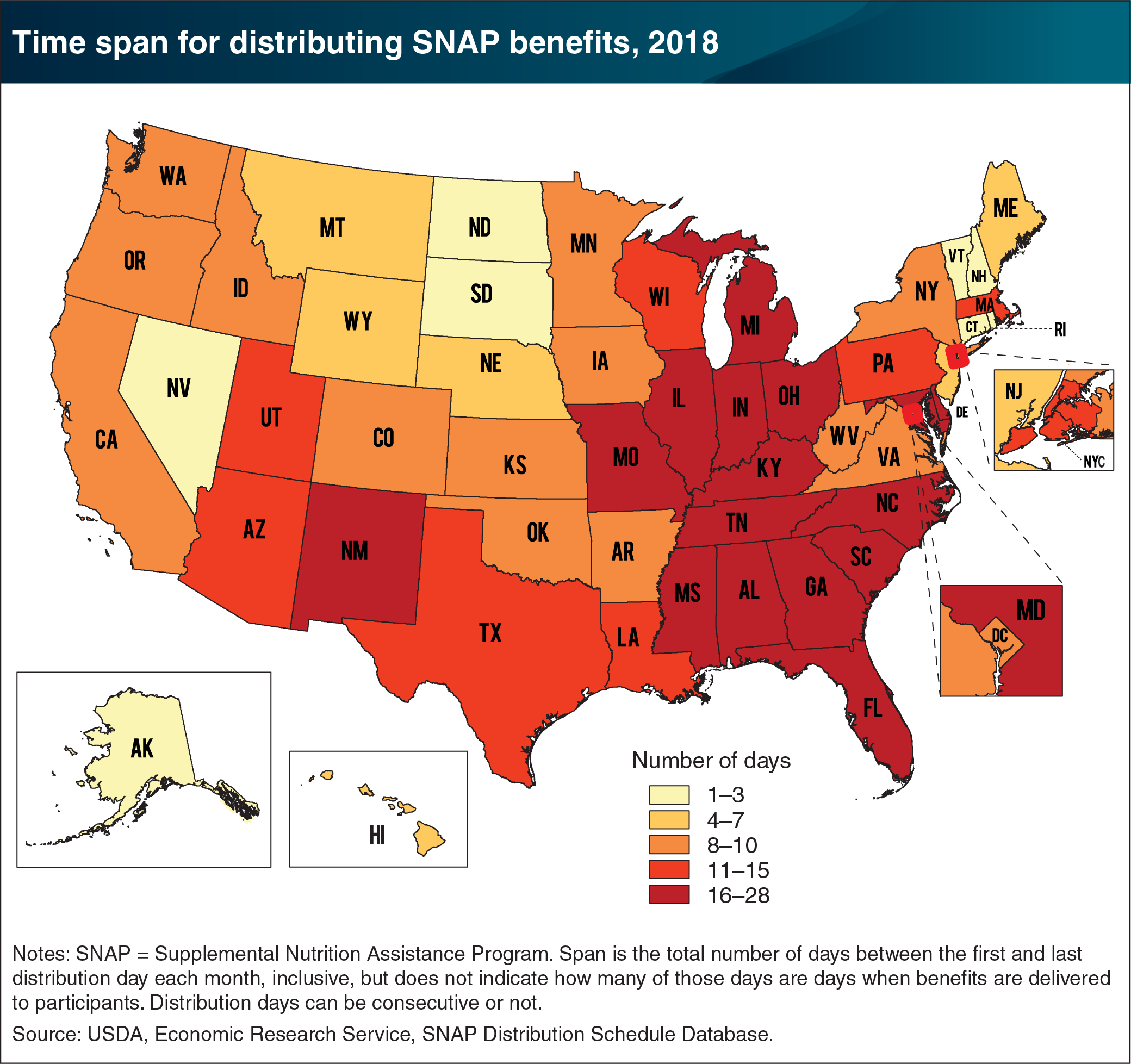
Following the judge’s order, the USDA is now required to deploy full SNAP payments immediately. States have begun preparing their systems to process the payments, but administrative and logistical delays may still occur. Some households could wait several weeks for benefits, even after funding has been released (according to Politico).

Judge John J. McConnell Jr., who issued the order for full SNAP funding.
Food banks and community organizations across the country have stepped in to provide supplemental food assistance during the uncertainty. Volunteers have been distributing meals, emergency food boxes, and other resources to families affected by delays in SNAP payments (according to The Washington Post).
Experts’ Opinion
Judge McConnell criticized the USDA’s approach:
“The defendants failed to consider the practical consequences… They knew there would be a long delay in paying partial SNAP payments and failed to consider the harms individuals who rely on those benefits would suffer” (according to AP News).
Hunger-relief advocates highlight that the case underscores the fragility of social safety net programs, which can be disrupted by political or administrative crises. Experts note that ensuring uninterrupted funding is crucial to protecting the health and well-being of millions of Americans who rely on SNAP for basic nutrition (according to Reuters).
Economists also warn that interruptions in SNAP funding can ripple through local economies. Households that receive food assistance spend immediately at grocery stores and markets, and delays can reduce demand in local communities, affecting small businesses and the overall economic activity in regions with high poverty rates (according to Politico).
What to Expect in the Coming Weeks
-
The USDA must submit a plan to comply with the court order immediately, ensuring full benefit distribution for November. Failure to act could result in further legal sanctions.
-
States will continue monitoring the process and may intervene locally if delays occur, using emergency funds to bridge gaps.
-
Advocacy groups are calling for reforms to insulate essential social safety net programs from government shutdowns, potentially creating a contingency framework for automatic SNAP funding during crises (according to Politico).
SNAP benefits are often used at grocery stores and local markets, supporting both families and local economies.
-
Experts predict that similar legal challenges could arise if future shutdowns occur or if funding shortfalls threaten monthly benefit distribution (according to AP News).
-
Long-term solutions may include expanding the USDA’s authority to use contingency funds, or legislative measures to guarantee uninterrupted benefits regardless of federal funding delays (according to Reuters).
Impact on Families
For many Americans, SNAP benefits are a lifeline. Recipients include children, seniors, and disabled individuals who rely on monthly food assistance to meet basic nutritional needs. Delays or reductions in payments can lead to skipped meals, increased reliance on food banks, and heightened financial stress (according to The Washington Post).
Community groups report that households in urban and rural areas alike are already feeling pressure from rising grocery costs, making uninterrupted SNAP funding critical. Local food pantries report surges in demand when benefits are delayed, highlighting the social consequences of temporary gaps in federal assistance (according to AP News).
Looking Ahead
The court-ordered funding provides temporary relief, but analysts warn that systemic vulnerabilities remain. Experts emphasize that this event is a reminder of the need for:
-
Stronger legal frameworks to ensure that essential programs continue uninterrupted during government shutdowns.
-
Improved administrative readiness at the federal and state levels to distribute funds efficiently under crisis conditions.
-
Enhanced collaboration between the USDA, states, and community organizations to prevent gaps in assistance.
Local organizations play a critical role in supporting SNAP recipients during federal funding disruptions.
As the USDA mobilizes to comply with the court order, recipients and advocacy groups will be closely watching to ensure that no families go without food assistance. The case is likely to influence policy discussions on safeguarding federal programs from political and funding disruptions in the future (according to Politico).