
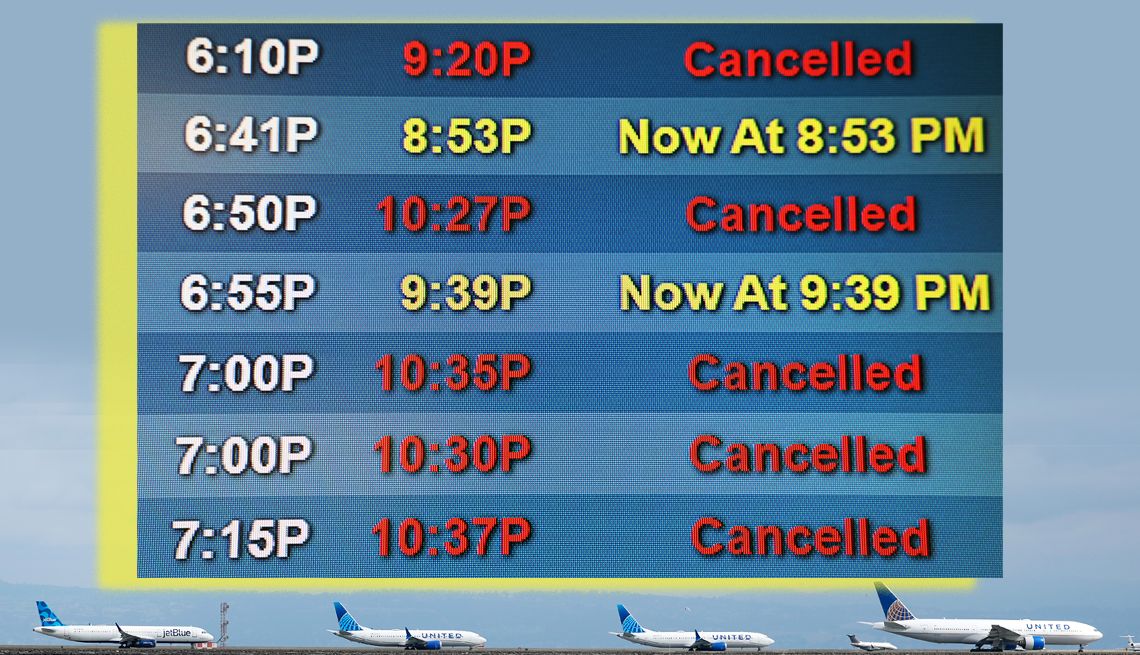
The ongoing US federal government shutdown has triggered widespread disruptions in air travel, with over 1,400 flights cancelled on Saturday as the Federal Aviation Administration (FAA) implements capacity reductions to ensure safety amid staffing shortages. This marks the second day of mandated cuts, exacerbating delays and cancellations across major airports, as the shutdown enters its 39th day—the longest in US history.
Unfolding Chaos in US Skies
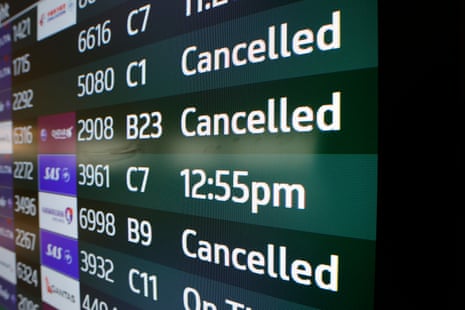
On Saturday, more than 1,400 flights to, from, or within the US were cancelled, following FAA instructions to reduce air traffic during the shutdown. Nearly 6,000 flights were delayed, down from over 7,000 on Friday, according to flight tracker FlightAware. The shutdown, which began on 1 October, has left approximately 1.4 million federal workers, including air traffic controllers, either furloughed or working without pay.
As essential workers, controllers must continue duties, but unions report many are calling in sick or taking second jobs due to financial strain. The FAA announced earlier in the week a reduction of up to 10% in air travel capacity at 40 of the nation's busiest airports. On Thursday, it specified a gradual rollout: starting at 4% on Friday, increasing to 6% by 11 November, 8% by 13 November, and reaching the full 10% by 14 November. Restrictions also extend to private jets, with Transportation Secretary Sean Duffy announcing on Saturday via X that their volume at high-traffic airports has been reduced, redirecting them to smaller facilities to prioritize commercial aviation.
Major hubs like Newark Liberty International Airport saw arrivals delayed by over four hours and departures by 1.5 hours. Other affected airports include John F Kennedy International (nearly three-hour delays for departures), Hartsfield-Jackson Atlanta International (over 2.5 hours), and La Guardia (about an hour). The airports with the most cancellations on Saturday were Charlotte/Douglas International, Newark Liberty International, and Chicago O'Hare International. This comes amid bipartisan negotiations in Washington over the weekend to end the impasse, but no resolution has been reached.
The events echo the 2018 shutdown under President Donald Trump, where up to 10% of Transportation Security Administration (TSA) staff stayed home, leading to similar disruptions. With most of the TSA's 64,000 agents unpaid, similar absenteeism could worsen delays. Passenger reactions captured in videos describe the situation as "devastating," with long wait times and uncertainty plaguing travelers. The broader shutdown impacts, such as cuts to food aid payments, are increasingly felt, adding to national frustration.

Airlines have been forced to adjust schedules, with American Airlines urging leaders in Washington to reach an immediate resolution. The gradual increase in cuts aims to manage the strain on overworked controllers, but it has already led to significant operational challenges.
To elaborate, the FAA's phased approach is designed to prevent sudden chaos, but weekend negotiations in Congress highlight the urgency. Historical parallels to the 2018 shutdown, which lasted 35 days and caused widespread airport issues, underscore the potential for escalation. Current data from FlightAware shows a pattern of increasing cancellations, with Friday's figures setting the stage for Saturday's higher numbers. Visuals from airports like Houston's George Bush Intercontinental depict long lines at security checkpoints, illustrating the human toll. The shutdown's extension into holiday travel periods amplifies concerns, as Thanksgiving on 27 November approaches—one of the busiest times for US air travel.
Underlying Causes of the Disruptions
The primary driver is the federal government shutdown, now in its 39th day, stemming from partisan divisions in Congress over funding resolutions. Republicans and Democrats remain at odds, prolonging the impasse and affecting essential services like air traffic control. Controllers, required to work without pay, are experiencing fatigue, leading to reduced staffing and safety concerns that prompted the FAA's capacity cuts. Unions highlight financial hardships forcing workers to seek alternative income or call in sick. The TSA's unpaid agents pose similar risks, as seen in 2018 when absenteeism spiked. Broader economic pressures from the shutdown, including impacts on federal workers' livelihoods, exacerbate the issue.
The FAA's decision to reduce capacity is a precautionary measure to maintain safety amid these shortages. Political gridlock in Washington, with senators staying over the weekend for talks, reflects the deep divisions. For private jets, the reductions ensure controllers focus on commercial flights, as stated by Secretary Duffy. This situation is compounded by the approaching holiday season, heightening the stakes for resolution. Historical context shows shutdowns often lead to such travel woes, with the 2018 event causing similar delays. The why also involves systemic issues in federal funding processes, where failure to pass budgets results in these cascading effects on public services.
Ultimately, the disruptions stem from unpaid essential workers' inability to sustain normal operations, forcing regulatory interventions.
Expanding on the root causes, the shutdown's length—surpassing previous records—amplifies fatigue among controllers, who handle high-stress roles. Economic analyses suggest prolonged shutdowns cost billions, with air travel being a key sector affected. Partisan politics, including debates over budget priorities, have stalled progress, leaving workers and travelers in limbo.
Views from Aviation Authorities and Stakeholders
American Airlines stated, "These cancellations are impacting thousands, and we've re-accommodated most within hours, but the uncertainty is frustrating," urging an immediate resolution. Secretary Sean Duffy explained private jet restrictions: "We've reduced their volume at high traffic airports—instead having private jets utilize smaller airports or airfields so busy controllers can focus on commercial aviation.
That's only fair." FAA officials emphasized, "The cuts are necessary to maintain safety because controllers are overworked during the shutdown." Passenger quotes from videos describe the situation as "Devastating," reflecting widespread frustration. Unions imply staffing shortages due to unpaid work, with experts noting parallels to 2018 TSA absenteeism. Overall, stakeholders call for swift congressional action to avert further chaos.
Anticipated Escalations and Resolutions
Conditions are expected to worsen, with flight reductions increasing to 10% by 14 November, potentially leading to more cancellations and delays. With Thanksgiving approaching, disruptions could intensify during peak travel. Bipartisan negotiations continue, but failure to resolve could extend the shutdown, mirroring 2018 patterns. If unresolved, TSA absenteeism may spike, exacerbating security lines. Airlines anticipate re-accommodating passengers, but uncertainty persists. Positive outcomes depend on congressional agreement, potentially ending the impasse soon. Long-term, this highlights needs for funding reforms to prevent future shutdowns.
Expect calls for emergency funding or back pay to mitigate worker strain.