
Russian forces have dramatically shifted from high-casualty infantry assaults to lighter, more mobile tactics using mopeds, motorcycles, and drones, enabling cheaper and faster advances against Ukrainian defenses in Donetsk.
Tactical Evolution on the Battlefield
In late 2025, Russian units in the Pokrovsk sector abandoned "meat grinder" human wave attacks for small, agile groups on mopeds and motorcycles that flank Ukrainian positions under cover of fog and darkness. These low-cost vehicles—often Chinese-made electric scooters—evade detection by thermal imaging and FPV drones better than armored vehicles. Supported by intensified artillery and Lancet drones, the tactic has yielded incremental gains while drastically reducing personnel losses from thousands per week in earlier phases. Similar approaches using golf carts and ATVs appeared in Kursk and Kharkiv. Ukrainian forces report increased difficulty tracking these "mosquito" units, though they remain vulnerable to mines and anti-tank weapons.

The change reflects battlefield adaptation after unsustainable casualties in 2023-2024.
Strategic Necessity Driving Innovation
Soaring infantry losses and Western sanctions limiting heavy equipment forced Russia to improvise with civilian vehicles. Mopeds cost under $1,000, require minimal training, and allow rapid infiltration of gray zones.
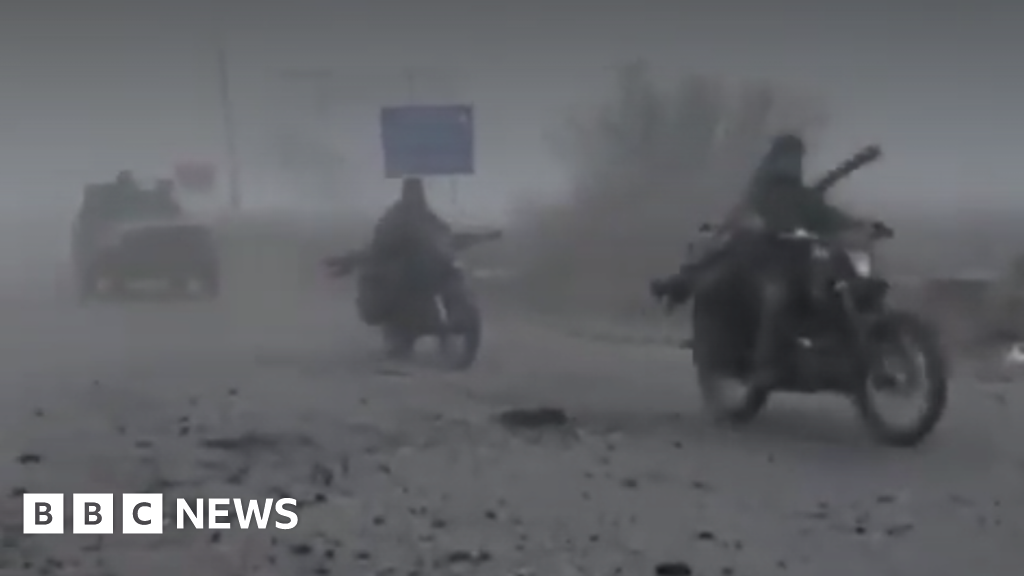
This maintains offensive tempo despite recruitment challenges.
Military Analyst Assessments
Institute for the Study of War describes it as "pragmatic evolution." Ukrainian officers acknowledge tactical complications but emphasize continued vulnerability to precision strikes.
Implications for the Conflict Trajectory
The approach may prolong Russia's attrition strategy. Ukraine urgently needs more electronic warfare and drone capabilities to counter this low-tech threat.