
Venezuelan President Nicolás Maduro has vehemently criticized upcoming joint military exercises between the United States and Trinidad and Tobago, labeling them an "irresponsible provocation" that endangers Caribbean peace.
Exercise Details and Maduro's Response
On November 15-16, 2025, Maduro denounced the five-day drills scheduled for November 17-20 in waters near Venezuela's Sucre state, accusing Trinidad of allowing its territory to be used for aggression against Caracas. He connected the exercises to ongoing disputes over Guyana's Essequibo region and US sanctions, ordering heightened vigilance along borders and deploying additional forces. The maneuvers involve US naval and air assets alongside Trinidadian forces, officially focused on counter-narcotics operations and disaster response training. Maduro called for a "permanent march" in eastern Venezuela, framing the drills as part of a broader US encirclement strategy.
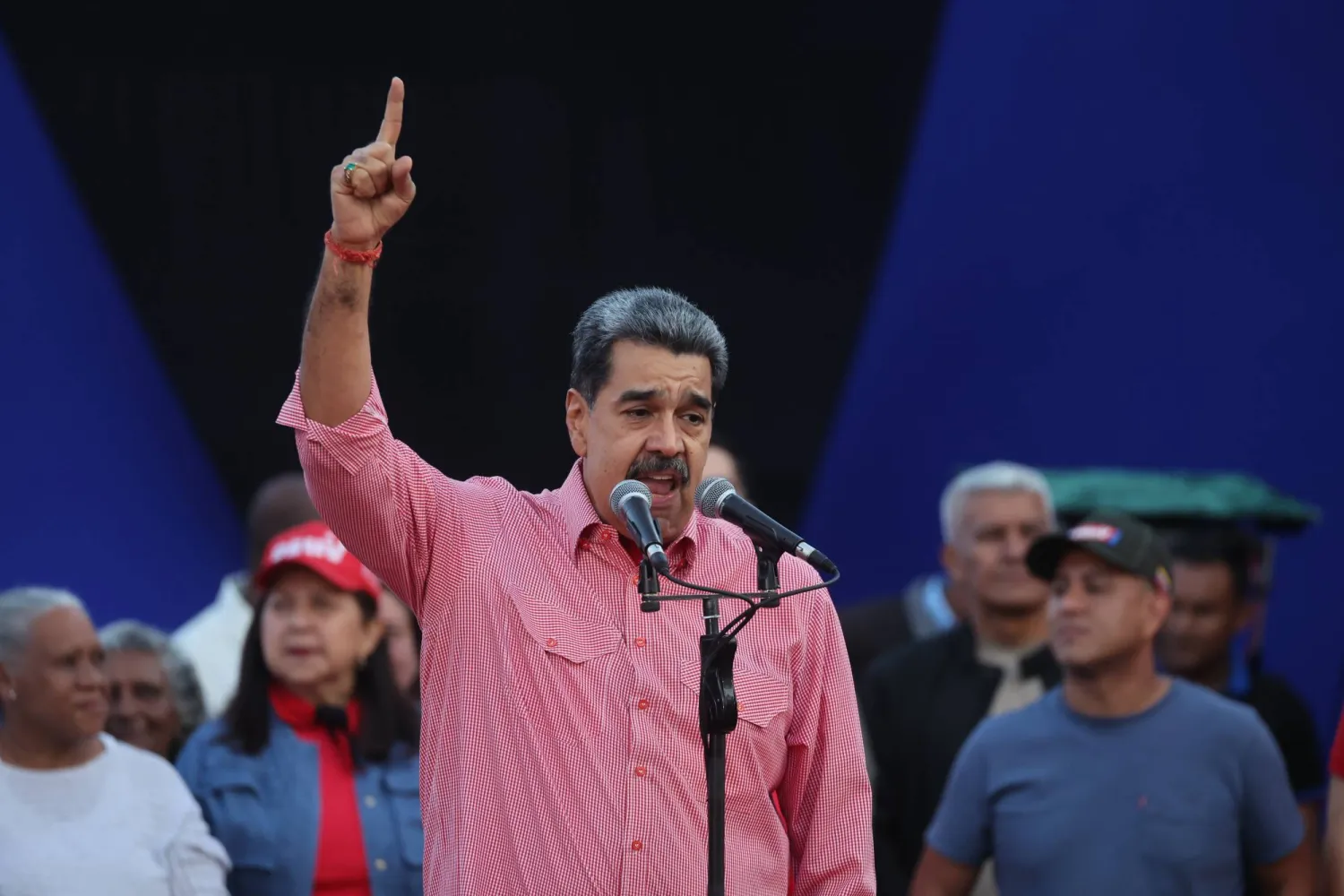
This escalation follows recent US aircraft carrier movements in the Caribbean and Venezuelan warnings of potential invasion plots.
Geopolitical Context and Motivations
The condemnation reflects Maduro's strategy of portraying external threats to rally domestic support amid economic crisis and political isolation. The drills coincide with heightened tensions over Essequibo oil reserves and US backing for Guyana. Trinidad and Tobago defends the exercises as routine cooperation against transnational crime, denying any hostile intent.

Regional analysts view Maduro's rhetoric as calculated to deflect from internal challenges.
Regional Reactions and Diplomatic Fallout
CARICOM nations urged restraint, while Guyana welcomed the drills as stabilizing. Opposition figures in Venezuela dismissed Maduro's claims as fearmongering.
Potential Consequences for Caribbean Stability
Expect elevated rhetoric during the exercises, but military escalation remains unlikely. Diplomatic efforts through regional bodies may de-escalate. Long-term, it strains Venezuela-Trinidad relations and complicates energy cooperation.