
The United Kingdom has announced its most far-reaching asylum reforms in decades, introducing temporary refugee status and extending the route to permanent settlement to 20 years—the longest in Europe—for those arriving irregularly.
Policy Details and Implementation Timeline
On November 16, 2025, Justice Secretary of State for Justice Shabana Mahmood and Home Secretary Yvette Cooper unveiled plans to abolish indefinite leave to remain for most asylum seekers. Recognized refugees will now receive temporary protection status, subject to periodic reviews, with a 20-year waiting period before eligibility for permanent settlement if arriving irregularly. Those entering through legal resettlement schemes face a 10-year pathway, doubled from the current five years. Initial protection periods shrink from five years to 30 months, with stricter criteria for revocation in cases of criminality or non-cooperation with returns. Support for failed asylum seekers becomes discretionary, ending automatic access to housing and benefits. The reforms, modeled on Denmark's system apply immediately to new claims, with transitional arrangements for pending cases. Legislation is scheduled for 2026, including tighter family reunion rules and accelerated removals for rejected applicants. This follows 109,343 asylum applications in the year ending March 2025—a 17% increase—and aims to dismantle people-smuggling networks costing taxpayers £8 billion annually.
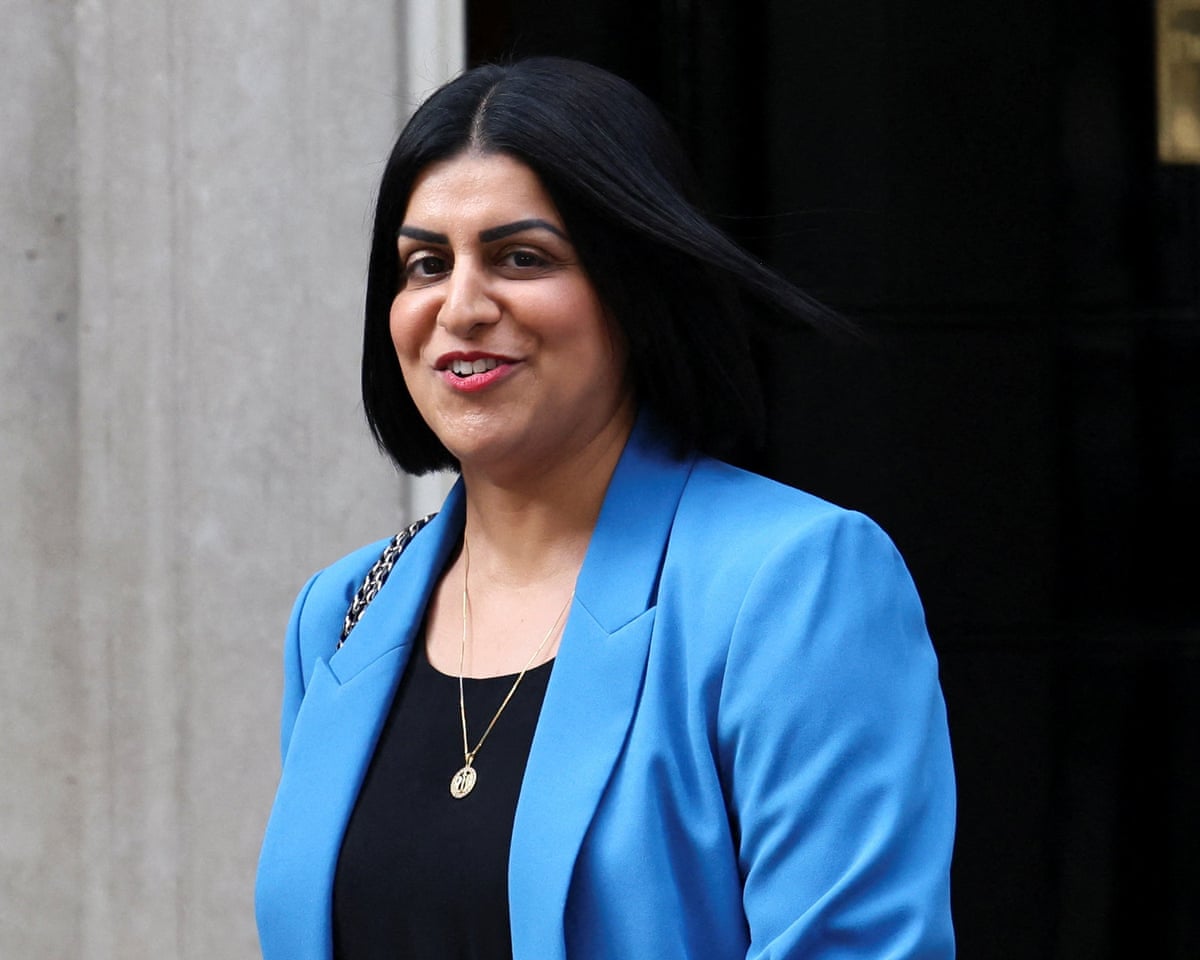
The changes represent the government's response to sustained pressure from small boat crossings and backlog clearance failures under previous schemes like Rwanda deportations. Officials emphasize creating a "controlled, selective system that prioritizes legal compliance.
Underlying Drivers of the Reform
The measures address persistent Channel crossings and organized smuggling operations that exploit vulnerable migrants. Mahmood warned that without decisive action, societal divisions would deepen, while Cooper highlighted the need to restore public confidence in the system. Post-Brexit border sovereignty, combined with rising claims and European precedents like Denmark's restrictive model, provided momentum. Politically, the reforms counter far-right narratives amid economic challenges and public frustration with immigration levels. The government argues current rules create a "golden ticket" perception for illegal entrants, undermining legal pathways.

Critics contend the policy risks breaching the 1951 Refugee Convention by rendering protection effectively temporary.
Stakeholder Reactions and Expert Analysis
Human rights groups condemned the plans as "cruel and ineffective," predicting increased destitution and mental health crises. Migration Watch UK welcomed the end of automatic permanence. Danish policy expert Martin Lemberg-Pedersen noted the UK's 20-year timeline exceeds even restrictive European models, potentially creating humanitarian challenges.
Future Implications for Migration Policy
Legal challenges from NGOs are anticipated, possibly reaching the European Court of Human Rights. Short-term reductions in irregular arrivals are likely, but long-term effects on refugee integration and international reputation remain uncertain. The reforms could influence broader European debates on shared migration burdens.