
The European Union's ambitious digital border management initiative, the Entry/Exit System (EES), has commenced its phased rollout across the continent, marking a transformative step in how non-EU travelers are tracked and processed at borders. This system, long in development, aims to modernize border controls by leveraging technology to enhance security and efficiency.
According to Hill Dickinson, the EES began its progressive implementation on October 12, 2025, at the external borders of 29 European countries, with biometric data collection being introduced in stages over a six-month period. GOV.UK confirmed that the system mandates fingerprints and facial scans for non-EU nationals entering or exiting the Schengen Area. IATA noted the gradual approach to minimize disruptions during the transition. ABTA reported that full biometric checks at all borders are slated to begin by December 2025, with complete operationalization by April 10, 2026.
The EES replaces traditional passport stamping with an automated database that records entry and exit data, helping to identify overstays and enforce the 90-day limit within any 180-day period for visa-exempt visitors. This initiative is part of the EU's broader Smart Borders package, designed to combat irregular migration, terrorism, and organized crime while facilitating legitimate travel.
For travelers from countries like the UK, US, or Australia, this means preparing for biometric enrollment on their first post-rollout visit, with data stored for up to three years. The system integrates with existing databases like the Schengen Information System (SIS) for real-time checks. Initial phases focus on major airports and seaports, gradually extending to land borders.
Challenges include potential queues during peak times and data privacy concerns, addressed through GDPR compliance. The rollout has been delayed multiple times from original plans in 2022 due to technical issues and member state readiness. Now live, it's expected to process millions of travelers annually, providing accurate data on migration flows. Stakeholders, including airlines and tour operators, are adapting by informing customers and investing in compatible technology.
The EU has launched awareness campaigns to educate travelers on what to expect. In the long run, EES is poised to streamline borders, reducing fraud and enhancing trust in the Schengen system. However, critics worry about accessibility for those uncomfortable with biometrics or from regions with limited tech infrastructure.
What Happened
The EES officially kicked off on October 12, 2025, with a phased approach to integrate digital tracking at EU external borders. Hill Dickinson detailed that over six months, biometric features like fingerprints and photos will be added progressively to avoid overwhelming systems. GOV.UK explained that non-EU travelers must provide biometrics upon entry, which are then verified on exit to calculate stay duration.
IATA highlighted the collaborative effort among member states to ensure smooth implementation. ABTA noted that by December, all borders will incorporate full checks, leading to full functionality by April 2026. The system covers air, sea, and land entries in the Schengen Zone plus associated countries. Initial testing occurred at select ports, with positive feedback on accuracy.
Data is centralized in a EU-managed database, accessible to border authorities. For first-time users, enrollment takes minutes at kiosks or counters. Subsequent visits use automated gates for faster processing.
The rollout includes training for thousands of border guards and upgrades to infrastructure. Reports indicate minimal disruptions so far, though busy hubs like Heathrow and Frankfurt are monitoring closely.
This follows years of preparation, including pilot programs in 2023-2024. The European Commission oversees progress, with regular updates to stakeholders. Travelers are advised to check apps or websites for real-time info.
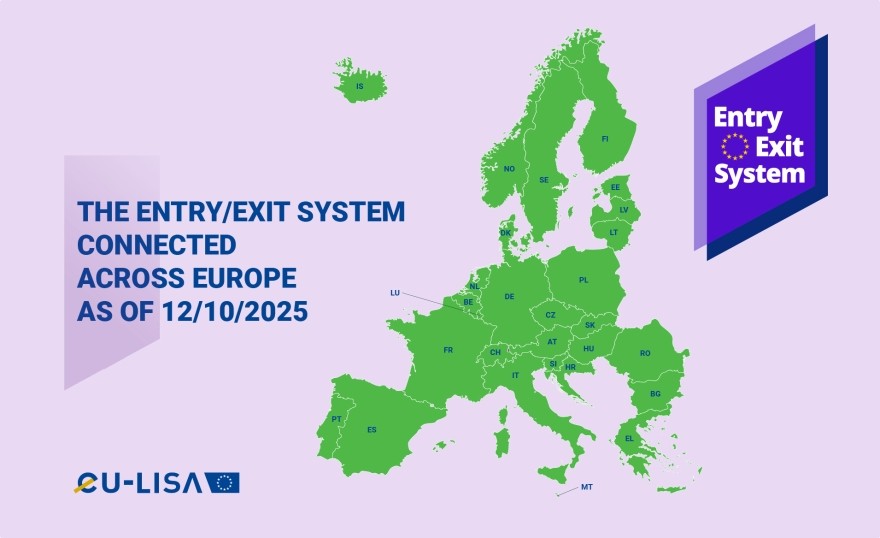
Further details reveal phased milestones: Week 1 focused on system connectivity, Week 2 on biometric pilots. By month three, 50% of borders are expected to be compliant. Contingency plans address technical glitches.
Why
EES was conceived to bolster border security by automating records, identifying overstays promptly, and curbing identity fraud through biometrics. The EU faces increasing migration pressures, with irregular entries rising, necessitating robust tools.
It also aims to modernize outdated stamping methods, prone to errors. Efficiency gains include quicker crossings for compliant travelers. Privacy is safeguarded via data minimization principles. Geopolitically, it responds to threats like terrorism. The phased rollout mitigates risks from simultaneous activation.
The drive includes harmonizing controls across diverse borders, fostering trust among members. Economic benefits from reduced fraud outweigh costs.
Expert Opinion
Travel experts from ABTA affirm, "EES will reduce waiting times long-term through automation." EU officials emphasize security enhancements.
What to Expect
Full rollout by April 2026; initial queues may occur, but efficiency will improve. Integration with ETIAS in 2026 will create a comprehensive system.