
Guillermo del Toro's highly anticipated adaptation of Mary Shelley's classic novel, Frankenstein, has finally arrived on Netflix, bringing a fresh vision to the timeless tale of creation and monstrosity. Starring Oscar Isaac as Dr. Victor Frankenstein and Jacob Elordi as the Creature, this film marks del Toro's latest foray into gothic horror, blending his signature visual style with profound themes of humanity and isolation.
What Happened
On November 7, 2025, Netflix released Frankenstein worldwide, following a limited theatrical run. According to Netflix Tudum, the film explores Dr. Frankenstein's obsessive quest to conquer death, resulting in the birth of a tormented being who grapples with his existence in a hostile world. The cast also includes Mia Goth as Elizabeth Lavenza and Christoph Waltz in a supporting role. The movie has garnered critical acclaim for its stunning visuals and emotional depth, debuting with an 85% on Rotten Tomatoes. Del Toro, known for films like Pan's Labyrinth and The Shape of Water, has infused this version with practical effects and a steampunk aesthetic, setting it apart from previous adaptations. Production wrapped in early 2025 after years of development, with del Toro expressing his passion for the project in interviews. The release coincides with Netflix's push for awards-season contenders, positioning Frankenstein as a strong candidate for Oscars in categories like Best Director and Best Visual Effects. Viewers have flocked to the platform, making it one of the top-watched titles within hours of launch. The film's runtime of 128 minutes allows for a deep dive into the psychological torment of both creator and creation, featuring scenes of Arctic desolation and Victorian laboratories brought to life with meticulous detail. This marks Netflix's second collaboration with del Toro following Pinocchio, solidifying their partnership in prestige filmmaking. To expand on the event, the premiere included virtual Q&A sessions with the cast, where Isaac discussed the moral complexities of his character. Social media buzz has been intense, with fans praising Elordi's transformative performance as the Creature, achieved through extensive prosthetics.
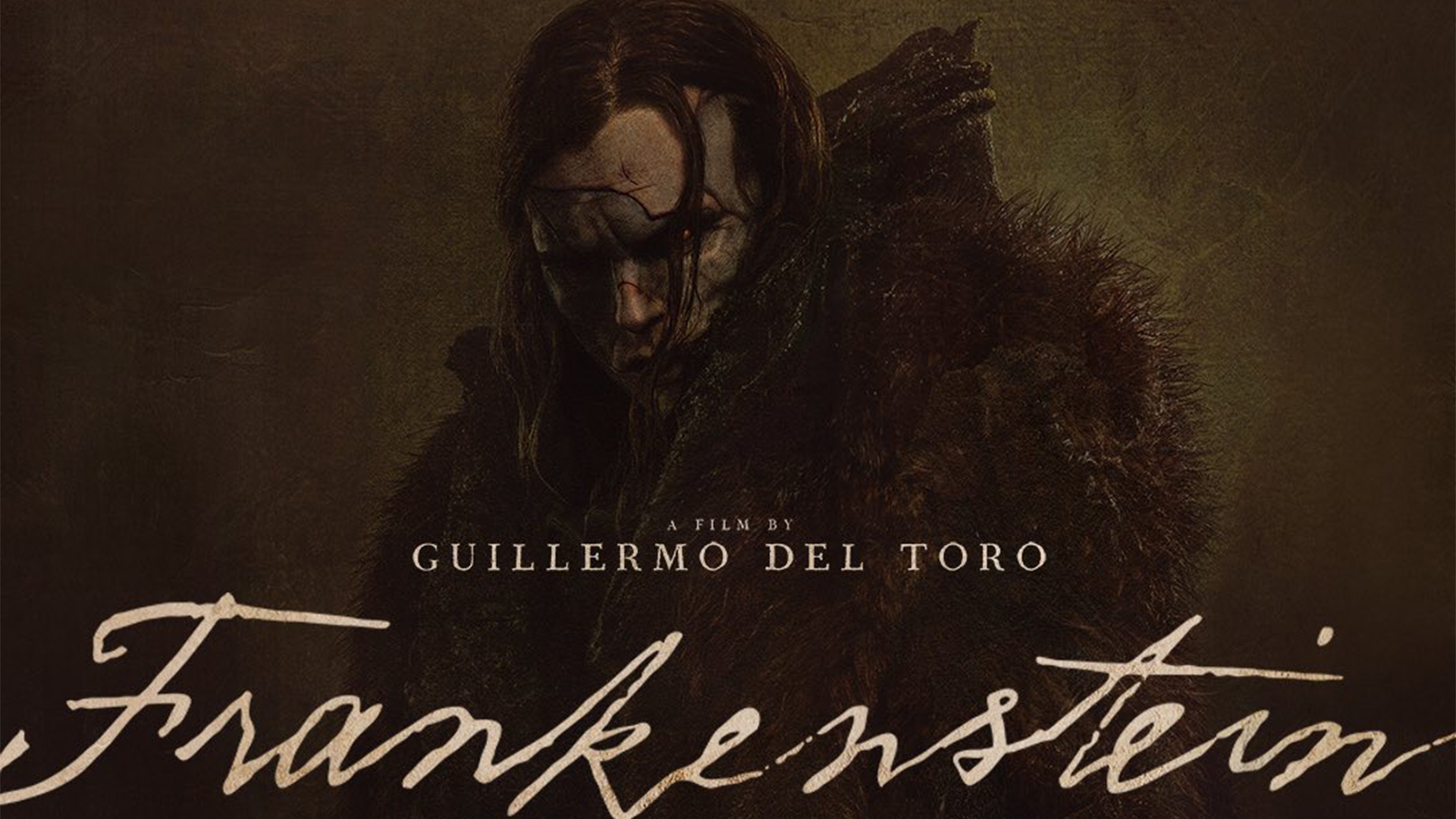
The streaming debut was accompanied by behind-the-scenes featurettes, enhancing viewer engagement. Overall, this release represents a milestone in Netflix's 2025 original content slate, blending literary classic with modern cinematic innovation.
Del Toro's adaptation stays true to Shelley's 1818 novel while incorporating contemporary elements, such as environmental themes tied to the Creature's wanderings. The score by Alexandre Desplat adds a haunting layer, complementing the film's atmospheric tension.
Box office from the theatrical release was modest due to limited screens, but streaming metrics are expected to soar. Critics have noted the film's exploration of AI parallels, making it timely. In interviews, del Toro revealed drawing inspiration from Boris Karloff's iconic portrayal while forging a new path. The film's budget, estimated at $50 million, reflects Netflix's investment in quality storytelling. Fan reactions on platforms like X highlight the emotional impact, with many calling it del Toro's masterpiece.
Why
The release stems from del Toro's long-standing fascination with Frankenstein, which he has described as a "personal obsession" since childhood. According to The Hollywood Reporter, del Toro aimed to honor Shelley's themes of ambition and consequence while updating them for modern audiences facing ethical dilemmas in science and technology. Netflix's strategy to bolster its awards portfolio also played a key role, as the streamer seeks to compete with traditional studios. The timing in November capitalizes on the holiday season's increased viewing hours and positions the film for end-of-year accolades. Economic factors, including the rise of streaming originals amid theater declines, made Netflix the ideal home. Del Toro's previous Oscar wins with Netflix encouraged this collaboration. Broader industry trends toward gothic revivals, fueled by successes like Poor Things, created a receptive market. The why also involves cultural relevance: in an era of bioethics debates, the story resonates deeply. Del Toro's unique voice—blending horror with humanism—ensures the film's appeal beyond genre fans.

Expanding, the project's genesis dates back to 2008 when del Toro first announced interest. Delays due to scheduling and funding were overcome with Netflix's support. The why encompasses representation, with diverse casting reflecting del Toro's inclusive approach. Financially, Netflix's global reach maximizes return on investment. Socially, the film addresses isolation post-pandemic, adding layers to its narrative.
Expert Opinion
Critics have lauded the film. IndieWire's review calls it "a poignant reimagining," praising del Toro's "masterful blend of horror and heart." Variety notes Isaac's "nuanced performance" as a "career highlight." Del Toro himself stated in interviews, "This is my love letter to Mary Shelley, exploring creation's burdens." Film scholar Mary Shelley biographer Charlotte Gordon opines that it captures the novel's essence better than predecessors. Overall, experts agree it's a standout in 2025's cinematic landscape.
What to Expect
Expect strong awards buzz, with potential nominations for del Toro and cast. Viewer engagement may lead to spin-offs or merchandise. Netflix could release extended cuts or documentaries. Culturally, it might spark renewed interest in Shelley's work. If successful, more literary adaptations could follow. Long-term, it solidifies del Toro's legacy in horror.