
The European Union has introduced stringent visa measures targeted at Russian citizens, effectively halting the issuance of multiple-entry Schengen visas as part of a broader strategy to safeguard its borders and internal security. This policy shift represents a significant escalation in the EU's response to ongoing geopolitical tensions, particularly those stemming from Russia's involvement in the Ukraine conflict and other alleged destabilizing activities across Europe. According to Reuters, the new rules mean that Russian nationals living in Russia will be required to apply for a single-entry visa for each intended visit to the EU, with very limited exceptions granted only to specific groups such as dissidents, journalists, and human rights defenders who demonstrate a clear need for frequent travel.
The Washington Post elaborated that this decision makes it considerably more challenging for Russians to access Europe's passport-free Schengen Area, which encompasses 27 countries and allows seamless travel once inside. Euronews further detailed that the tightening specifically targets multiple-entry Schengen visas, which previously allowed holders to travel freely within the zone for extended periods without reapplying.
Politico confirmed the near-total ban on multi-entry permits, noting that this move is designed to curb potential risks associated with unrestricted mobility. This development is not isolated but part of a series of measures the EU has taken since the onset of the Ukraine war in 2022, including earlier suspensions of visa facilitation agreements and increased scrutiny at borders. The policy underscores the EU's commitment to prioritizing security over convenience in visa matters, reflecting a broader trend of hardening stances against perceived threats from authoritarian regimes.
For ordinary Russian citizens, this means more bureaucratic hurdles, higher costs, and longer processing times for travel to popular destinations like France, Germany, or Italy. Exceptions are narrowly defined to protect those fleeing persecution, ensuring that the EU remains a haven for vulnerable individuals while closing loopholes that could be exploited. The announcement has been met with mixed reactions: support from EU member states concerned about espionage and sabotage, and criticism from human rights groups worried about the impact on legitimate travelers.
In the broader context of international relations, this visa clampdown signals a deepening divide between the EU and Russia, potentially affecting cultural exchanges, business ties, and family visits. As the policy takes immediate effect, embassies and consulates are updating their application processes, advising applicants to prepare for more rigorous documentation requirements. This includes providing detailed itineraries, proof of accommodation, and financial stability to justify each trip.
The EU's High Representative for Foreign Affairs, Kaja Kallas, has been vocal in defending the measures, arguing that they are a necessary response to Russia's aggressive foreign policy. Historical precedents, such as visa restrictions during the Cold War, provide context for understanding this as a tool of diplomatic pressure. Moreover, the policy aligns with similar actions by individual member states, like Estonia and Latvia, which have already imposed entry bans on Russians.
The economic implications are noteworthy: tourism from Russia, once a significant revenue source for some EU countries, has dwindled, and this could accelerate that trend. For Russian expatriates or those with EU ties, the changes complicate family reunions and professional commitments.
The EU Commission has assured that the rules will be applied fairly, with case-by-case assessments for exceptions. Monitoring mechanisms are in place to evaluate the policy's effectiveness in mitigating risks without unduly burdening innocent travelers. As global mobility evolves, this serves as a reminder of how geopolitical events can reshape travel freedoms overnight.
What Happened
The policy change was officially unveiled by the European Commission on November 7, 2025, following consultations among member states and amid rising reports of suspicious activities linked to Russian nationals within the EU. According to Reuters, Russian citizens based in Russia are now ineligible for multiple-entry Schengen visas, which previously permitted stays of up to 90 days within any 180-day period across multiple visits. Instead, they must submit a fresh application for each entry, complete with all supporting documents, and face potentially longer wait times due to heightened scrutiny. The Washington Post reported that this effectively bars most Russians from the convenience of multi-entry permits, making spontaneous or frequent travel to the EU a thing of the past.
Euronews specified that the rules apply to all Russian passport holders residing in Russia, with exemptions limited to those who can prove they are at risk or involved in critical humanitarian work. Politico added that in exceptional cases, such as for opposition figures or media professionals, multi-entry visas might still be issued, but only after thorough vetting. The announcement came after a series of incidents, including alleged sabotage attempts and migration manipulations attributed to Russian agents.
EU foreign ministers had discussed these measures in recent meetings, building on earlier decisions to suspend visa facilitation agreements in 2022. The new rules are implemented immediately, affecting pending applications and future ones. Consular offices have been instructed to prioritize security checks, which may include interviews and background verifications. For context, prior to this, Russians enjoyed relatively easy access to Schengen visas, with multiple-entry options common for tourists, students, and business travelers. The shift marks a departure from that era, aligning visa policy more closely with the EU's sanctions regime against Russia. Reports indicate that visa issuance rates for Russians have already dropped significantly since the war began, from hundreds of thousands annually to a fraction of that number.
This latest step is expected to reduce them further. In practical terms, applicants now face fees per application, repeated paperwork, and uncertainty about approval. The EU has also increased border controls for Russian entrants, including more frequent secondary inspections. This policy does not affect Russians with EU residency or those holding passports from other countries. Diplomatic visas remain governed by separate protocols. The Commission has launched an information campaign to clarify the changes, advising potential travelers to check embassy websites.
Reactions from Moscow have been swift, with officials decrying the move as discriminatory and promising reciprocal actions against EU citizens. Human rights organizations, while supportive of protections for dissidents, have urged the EU to ensure that the exemptions are broadly applied to avoid stranding vulnerable people. Overall, this event underscores the intersection of migration policy and foreign affairs in the EU's toolkit.

To delve deeper into the timeline, the groundwork for this policy was laid in early 2025, with intelligence reports highlighting increased risks. Member states like Poland and the Baltic nations pushed for tougher measures, citing specific incidents of hybrid warfare.
The final decision was ratified in a closed-session meeting, reflecting consensus among the 27 members. Implementation details include updated software in visa processing systems to flag Russian applications automatically. For travelers already holding multi-entry visas, those issued before the cutoff date remain valid until expiration, but renewals will follow the new rules.
This transitional provision aims to minimize immediate disruptions. Case studies from similar past restrictions, such as those on Belarusians, inform the expected outcomes. The policy's rollout coincides with other EU initiatives, like enhanced cyber defenses, painting a picture of comprehensive security enhancements.
Why
The primary rationale behind these tightened rules is to mitigate security risks posed by the potential "weaponisation of migration, acts of sabotage, and misuse of visas" by Russian entities, as articulated by EU officials. Kaja Kallas, the EU's foreign policy chief, underscored that "traveling to the EU is a privilege, not a right," particularly in light of Russia's ongoing aggression in Ukraine and alleged interference in European affairs. This sentiment echoes broader concerns about hybrid threats, including espionage, disinformation campaigns, and irregular migration flows orchestrated from Moscow.
The EU has documented instances where visas were used to facilitate such activities, prompting this proactive stance.
Economically, the measures aim to isolate Russia further, complementing sanctions on energy, finance, and technology. Politically, they serve as a signal of solidarity with Ukraine and a deterrent against future aggressions. From a legal perspective, the policy complies with Schengen regulations, which allow for restrictions based on public policy and security grounds. Historical context reveals that visa policies have long been tools in diplomatic arsenals; for instance, during the 2014 Crimea annexation, similar steps were taken but were less comprehensive.
The current escalation reflects the prolonged nature of the conflict and accumulating evidence of threats. Socially, there's an element of protecting EU citizens from potential dangers, though critics argue it unfairly penalizes ordinary Russians opposed to the regime.
The exemptions for dissidents highlight the EU's commitment to human rights, balancing security with humanitarian considerations. Broader geopolitical dynamics, including NATO's expansion and energy dependencies, underpin the why, as the EU seeks to reduce vulnerabilities.
Expert analyses suggest this could encourage other nations to adopt similar measures, creating a ripple effect in global mobility. The policy also addresses internal EU debates on migration, where hardline states advocate for stricter controls. Financially, the added bureaucracy may deter casual tourism but is unlikely to impact high-value business travel significantly. In essence, this is a multifaceted response to a complex threat landscape, prioritizing collective security over individual conveniences.
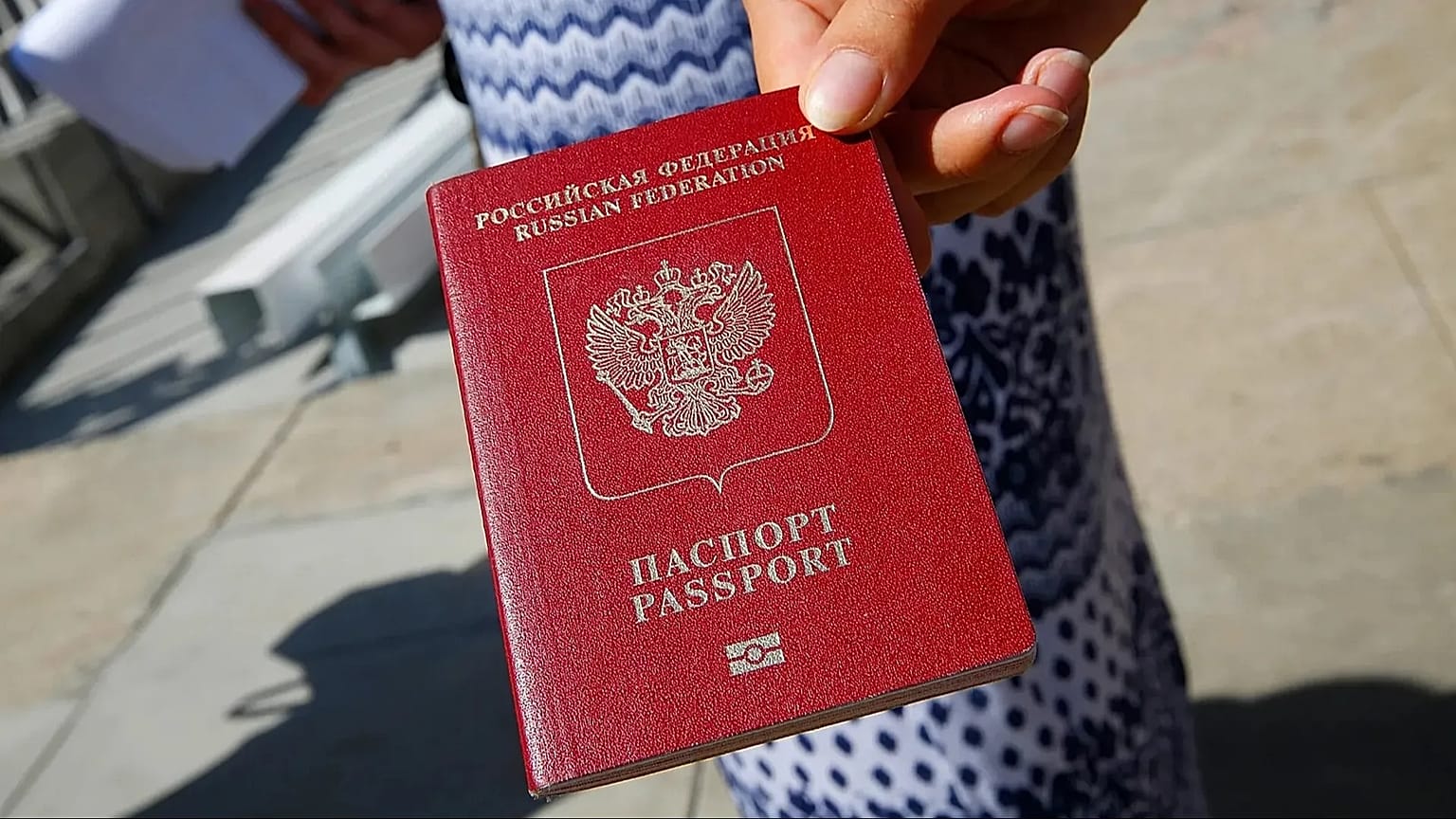
Expanding on the motivations, intelligence sharing among EU members has revealed patterns of visa abuse, such as using tourist visas for reconnaissance. The war's toll, with millions displaced, amplifies fears of infiltration. Domestically, public opinion in the EU favors tough stances, with polls showing support for restrictions.
Internationally, this aligns with U.S. and UK policies, fostering transatlantic unity. The why also encompasses preventive diplomacy, aiming to pressure Russia into negotiations. Long-term, it may reshape EU-Russia relations, potentially leading to thawed ties if conditions improve.
Expert Opinion
EU officials have been forthright in their assessments, with one anonymous source telling Reuters, "Starting a war and then expecting to roam freely in Europe—it's hard to justify that." Kaja Kallas reinforced this by stating that the EU must protect its values and security, viewing the visa changes as essential tools. Migration experts like Judith Sunderland from Human Rights Watch caution that while security is paramount, the policy should not hinder asylum seekers or cultural exchanges.
Political analysts from the European Council on Foreign Relations opine that this could escalate tensions but is necessary for deterrence. Visa policy specialists note the effectiveness of similar measures in the past, predicting a drop in applications. Overall, consensus among experts is that the move is justified but requires careful monitoring to avoid overreach.
What to Expect
Effective immediately, the policy will lead to immediate backlogs at consulates, with processing times potentially extending to months. Russia has vowed retaliation, possibly imposing similar restrictions on EU citizens, which could affect business and tourism reciprocally.
In the medium term, expect diplomatic negotiations to address the fallout, perhaps through backchannels. If security incidents decrease, the EU might relax rules selectively. For travelers, advice includes applying early and exploring alternatives like non-Schengen destinations. Broader implications include strained people-to-people contacts, but strengthened EU unity on foreign policy.