
Young professionals are facing heightened difficulties entering the workforce as AI automates entry-level roles, exacerbating unemployment and skill mismatches.
What Happened
Unemployment for recent college grads stands at 4.8% versus 4% overall, per a New York Federal Reserve report. A survey shows 87% of Gen Z feel unprepared due to tech changes, with AI consolidating jobs like internships. Universities' slow curriculum updates contribute to an "ROI crisis" for degrees, according to Investopedia.
:max_bytes(150000):strip_icc()/GettyImages-2193275251-e00127dc2bc4401bb1418b150f11ac05.jpg)
Why
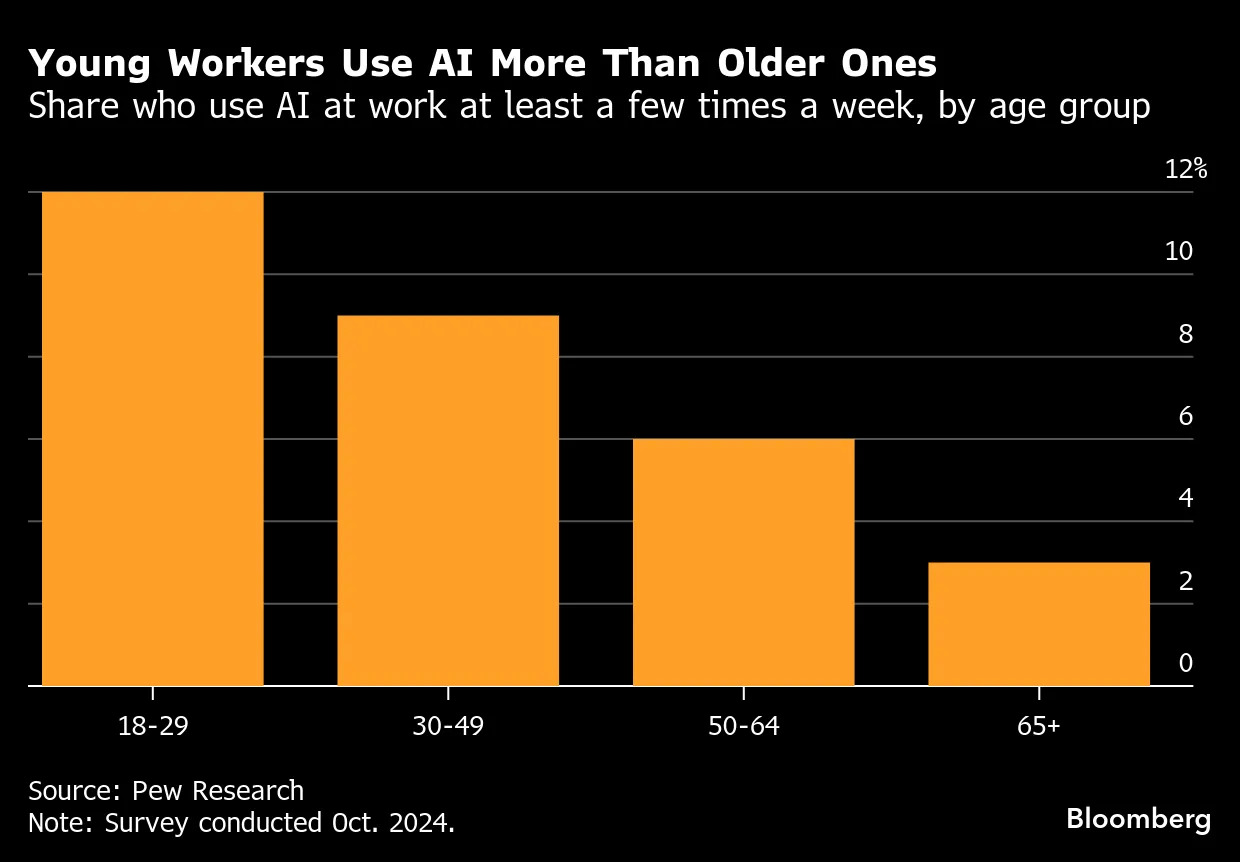
Rapid AI adoption outpaces education, automating white-collar tasks and reducing entry positions. Mixed AI messaging—banned in schools but used at work—confuses youth. Slow accreditation delays program evolution, pushing reliance on certificates.
Expert Opinion
Ryan Lufkin from Instructure stresses a "growth mindset" for lifelong learning, noting AI as a tool for creativity, not replacement. He advocates educator-employer collaboration for consistent AI guidance and affirms degrees' door-opening value alongside credentials.
What to Expect
Institutions will expand non-degree programs for skill bridging. Young workers embracing AI collaboration and human skills like communication will thrive, shifting to a hybrid workforce with reduced replacement fears.